
How to Fix Scratches and Dents in Vinyl Planks
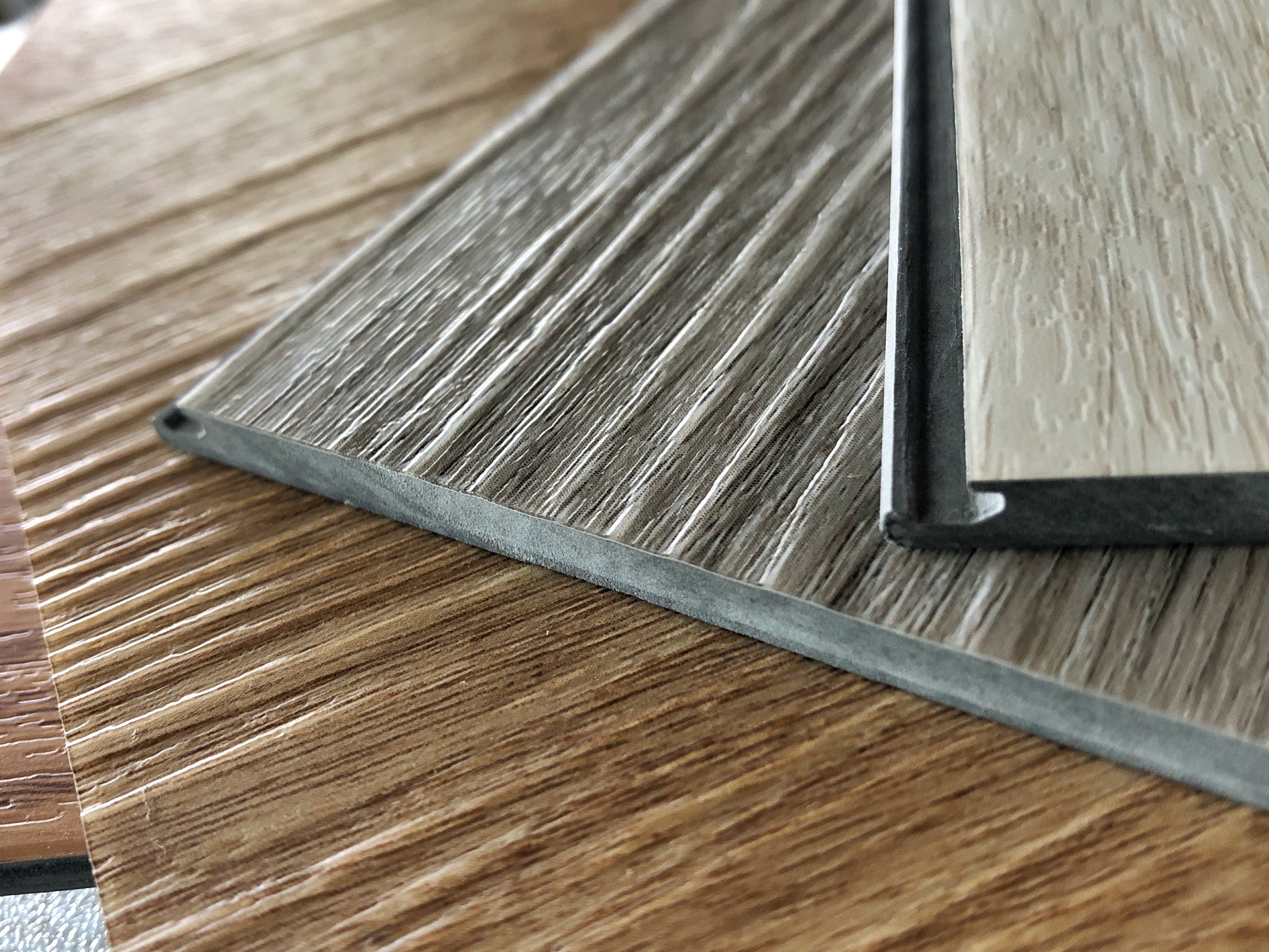
Vinyl plank flooring has become one of the most popular flooring choices for homes, rental properties, and commercial spaces. It offers durability, water resistance, and a stylish appearance that can mimic hardwood without the high maintenance requirements. However, even the most resilient flooring materials can show signs of wear over time. Furniture movement, heavy foot traffic, pet nails, or dropped objects can leave behind scratches and dents that affect the look of the floor.
Fortunately, many of these imperfections can be repaired without replacing the entire floor. Understanding how to address minor damage can help maintain the appearance and longevity of your flooring. Whether you manage a busy rental property, operate a business with daily foot traffic, or simply want to keep your home looking its best, learning a few repair techniques can make a noticeable difference. With the right approach to vinyl plank scratch repair and proper care techniques, many scratches and dents can be improved or completely corrected.
Understanding Why Vinyl Planks Get Scratches and Dents
Vinyl plank flooring is designed to be durable, but it is not completely immune to damage. Most vinyl planks include a wear layer that protects the surface from everyday use. While this protective layer can resist many forms of wear, certain situations can still cause visible marks.
Heavy furniture being dragged across the floor is one of the most common causes of scratches. Even small movements from chairs, tables, or appliances can gradually wear down the protective surface if proper furniture pads are not used. Pets can also contribute to surface scratches, especially if their nails are not regularly trimmed.
Dents often occur when a heavy object is dropped or when large furniture rests on the same spot for extended periods. In some cases, high heels or concentrated weight can leave small indentations in the vinyl material.
For property owners, these issues may appear more frequently in rental units or commercial spaces where different people use the flooring every day. Because of this, learning how to perform scratch and dent repair vinyl flooring techniques can help maintain the appearance of the space between larger renovations or upgrades.
Repairing Light Surface Scratches
Light scratches are among the easiest types of flooring damage to address. These small marks usually affect only the top layer of the plank and can often be improved with simple cleaning and polishing techniques.
The first step in vinyl plank scratch repair is to thoroughly clean the affected area. Dirt and debris can settle inside small scratches, making them appear deeper than they actually are. Using a gentle floor cleaner and a soft cloth can help remove buildup and reveal the true condition of the surface.
After the floor is clean and dry, a vinyl floor polish or finish can sometimes help blend the scratch with the surrounding surface. These products create a thin protective coating that reduces the visibility of minor marks while restoring some shine to the flooring.
Another method involves using a vinyl repair kit that includes color-matched fillers designed for small scratches. These kits allow you to fill the damaged area and smooth it so that it blends more naturally with the surrounding plank.
For homeowners and property managers, addressing minor scratches early helps prevent them from becoming more noticeable over time. When handled properly, light vinyl plank scratch repair methods can restore the appearance of the floor without requiring major repairs.
Fixing Deeper Scratches in Vinyl Plank Flooring
Deeper scratches require a slightly more detailed repair approach. When the scratch extends beyond the wear layer, simple polishing methods may not be enough to fully conceal the damage.
In these cases, repair products designed specifically for vinyl flooring can help restore the surface. Many scratch and dent repair vinyl flooring kits include putty or filler that can be color-matched to the flooring pattern. After the filler is applied, it is smoothed and blended with the surrounding plank to reduce the visibility of the scratch.
Some repair kits also include small heat tools that help soften the filler so it bonds more effectively with the vinyl surface. This technique can be particularly helpful for wood-look vinyl planks where matching the grain pattern is important for a natural appearance.
Patience plays an important role during this process. Carefully filling and smoothing the damaged area allows the repair to blend seamlessly with the surrounding flooring. For business owners or landlords who want to maintain a polished appearance in high-traffic spaces, repairing deeper scratches can significantly improve the overall look of the floor.
Removing Dents from Vinyl Planks
Dents in vinyl plank flooring are often caused by heavy objects placing pressure on the material. Unlike scratches, dents involve changes in the shape of the plank rather than surface damage.
In some situations, minor dents can gradually return to their original shape once the weight causing the indentation is removed. Vinyl has a certain level of flexibility, which allows it to recover slightly over time.
Another approach involves applying gentle heat to the affected area. Carefully warming the vinyl with a hair dryer can help soften the material, allowing it to relax and return closer to its original form. After warming the surface, placing a soft cloth over the dent and applying light pressure can sometimes help smooth the area.
While this technique can improve small dents, deeper indentations may require plank replacement to fully restore the flooring. However, many modern vinyl plank systems are designed with click-lock installation methods, which allow individual planks to be replaced without removing the entire floor.
Understanding these scratch and dent repair vinyl flooring options allows property owners to evaluate whether a quick fix or a plank replacement will provide the best result.
Preventing Future Scratches and Flooring Damage
While repairing scratches and dents is helpful, prevention is often the best strategy for maintaining vinyl plank flooring. Simple maintenance habits can significantly reduce the chances of damage occurring in the first place.
Furniture pads are one of the most effective ways to protect flooring from scratches. Placing protective pads beneath chairs, tables, and heavy furniture helps distribute weight and prevent direct contact between hard surfaces and the vinyl floor.
Regular cleaning also plays an important role. Dirt and small debris can act like sandpaper when walked across the floor, gradually wearing down the protective layer. Sweeping or vacuuming frequently helps remove these particles before they cause damage.
Area rugs can also provide extra protection in high-traffic areas such as entryways, hallways, and reception spaces. These areas typically experience the most wear, so additional protection can help extend the life of the flooring.
For property owners who manage rental homes or commercial spaces, sharing simple care instructions with tenants or staff can also help maintain the floor’s appearance.
Restoring the Look of Your Vinyl Flooring with the Right Guidance
Minor scratches and dents do not have to mean the end of beautiful vinyl flooring. With the right techniques and a little patience, many types of damage can be repaired effectively. From light vinyl plank scratch repair methods to more detailed scratch and dent repair vinyl flooring solutions, addressing issues early helps preserve the look and function of your floors.
For homeowners, landlords, and business owners, keeping flooring in good condition contributes to the overall appeal and value of the property. Even small improvements can make a noticeable difference in how a room looks and feels.
When questions arise about flooring maintenance, repair options, or replacement considerations, experienced flooring professionals can provide helpful guidance. All American Carpet focuses on helping customers understand their flooring choices and care techniques so they can keep their spaces looking their best for years to come. By combining practical advice with quality flooring solutions, property owners can feel confident maintaining their vinyl plank floors long after installation.
Categorised in: Vinyl Flooring, Vinyl Planks